Logistics Network Optimization
Redesign your freight network for fewer handoffs, lower cost, and higher on-time performance. Alpha Zero Logistics analyzes your lanes, carrier mix, and modes to build a smarter, more resilient logistics network.

What Is Logistics Network Optimization?
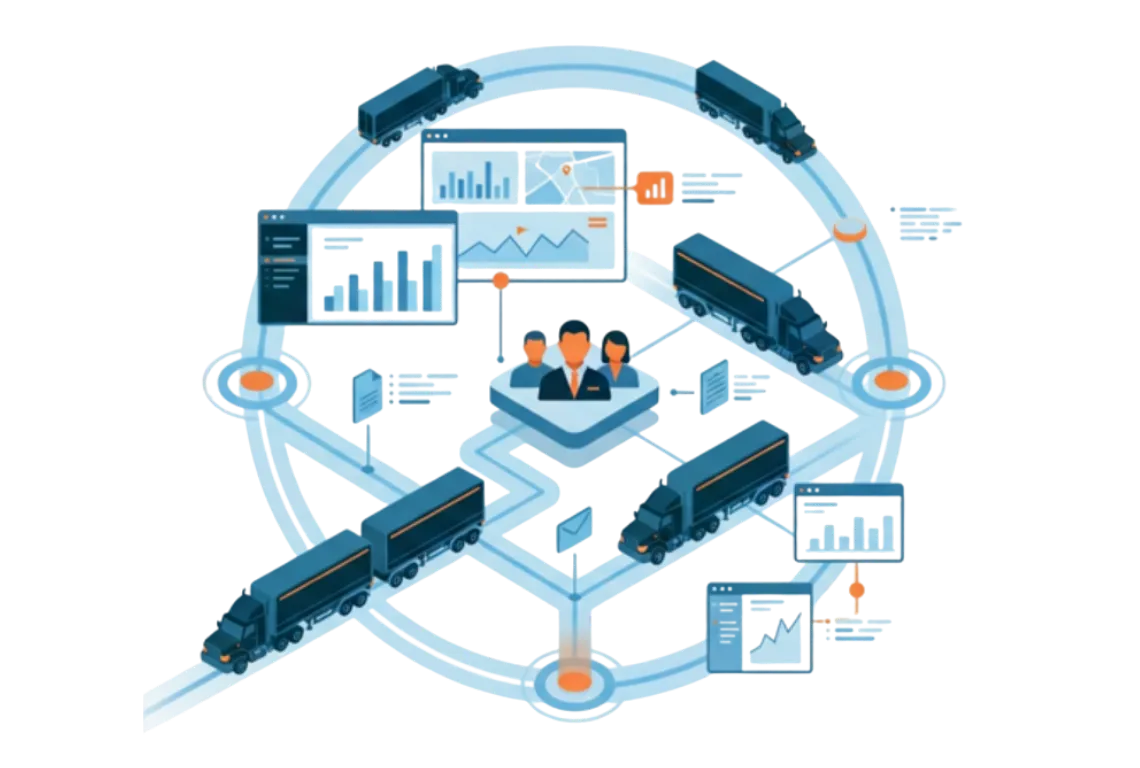
Logistics network optimization is the data-driven design of your freight network—how facilities, lanes, modes, and carriers work together to move product at the lowest total cost while hitting tight service commitments. It combines shipment data, lane analysis, carrier strategy, and routing logic to create an efficient, resilient transportation network instead of a patchwork of one-off decisions.
Shippers use network optimization when costs are rising, on-time performance is slipping, or the business is changing—new customers, locations, or product lines. It is especially valuable for multi-location manufacturers, distributors, and eCommerce brands that ship across LTL (less-than-truckload), truckload, and parcel and need a network that can scale without chaos.

Why Logistics Network Optimization Matters for Your Supply Chain
Lower Total Transportation Cost
Faster, More Reliable Transit
Fewer Damages and Touchpoints
Resilient Capacity During Disruptions
Data-Backed Network Decisions
What AZL Provides with Logistics Network Optimization
Alpha Zero gives you a dedicated account team that owns your freight network end to end—analyzing lanes, refining routing, and managing your carrier mix. We turn shipment data into clear, simple actions that lower cost and improve service.
Our Approach
We start with your shipment data and service goals, then model scenarios to balance cost, transit time, and risk. The result is a practical playbook for quotes, tenders, tracking, and exceptions that every location can follow.
Capabilities Included
Your team manages LTL, truckload, and specialty moves while aligning the right mode, carrier, and routing per lane. We maintain routing guides, consolidation and pool strategies, and work directly with carriers to keep the network running smoothly.
Communication & Support
Performance Standards
How Logistics Network Optimization Works
Discover & Diagnose
We ingest your shipment history, map lanes and facilities, and identify cost, service, and risk hotspots across your current network.
Design & Model
We build and compare scenarios—carrier mixes, modes, consolidation strategies, and routing rules—then quantify savings and service impact for each option.
Implement & Tune
We roll out the optimized network with your team and our carrier partners, monitor performance, and continuously tune lanes and carriers as conditions change.
Who Is AZL Network Optimization Best For?
Shippers with multiple locations, distribution centers, or plants and a complex lane structure.
Manufacturers and distributors whose transportation spend has grown faster than revenue.
Companies relying on many carriers with no consistent routing guide or network strategy.
Shippers experiencing frequent late deliveries, damages, or customer chargebacks.
Growing brands planning new facilities, major customer wins, or geographic expansion.
FAQs About Dedicated Account Management
Get clear on what a network optimization service includes and what to expect from Alpha Zero as your logistics partner.
What is logistics network optimization?
How do I know if my company needs network optimization?
Common signals are rising transportation costs, inconsistent on-time delivery, frequent damages, and a carrier mix that has grown without a clear strategy.
How long does a logistics network optimization project take?
Do we need a new TMS to benefit from this service?
No. We can work with your existing transportation management system and routing processes, then recommend enhancements or integrations only where they add clear value.
What kind of savings and improvements can we expect?
Typical clients see 8–15% transportation cost reduction on addressed lanes, plus improved on-time performance and fewer damages due to better routing and carrier alignment.
Is logistics network optimization a one-time project or ongoing?
Related Logistics Services
Managed Transportation Services (MTS)
End-to-end execution of your optimized network—planning, tendering, and day-to-day management—so every lane follows a clear playbook and your team is freed up from firefighting shipments.
Transportation Analytics
Centralized dashboards and reporting that turn shipment and cost data into insight, helping you track savings from network changes, monitor lane performance, and quickly spot where the next optimization opportunity is.
Freight Audit & Payment
Invoice validation, rating checks, and exception workflows that make sure your negotiated network rates are billed correctly, keeping transportation spend accurate, compliant, and ready for finance and audit review.
Let’s Talk About Your Transportation Operation
If your network has outgrown spreadsheets or internal bandwidth, Alpha Zero can help bring structure, visibility, and accountability to your transportation program. Start with a conversation to understand whether managed transportation is the right fit.